H2, next level of clean energy
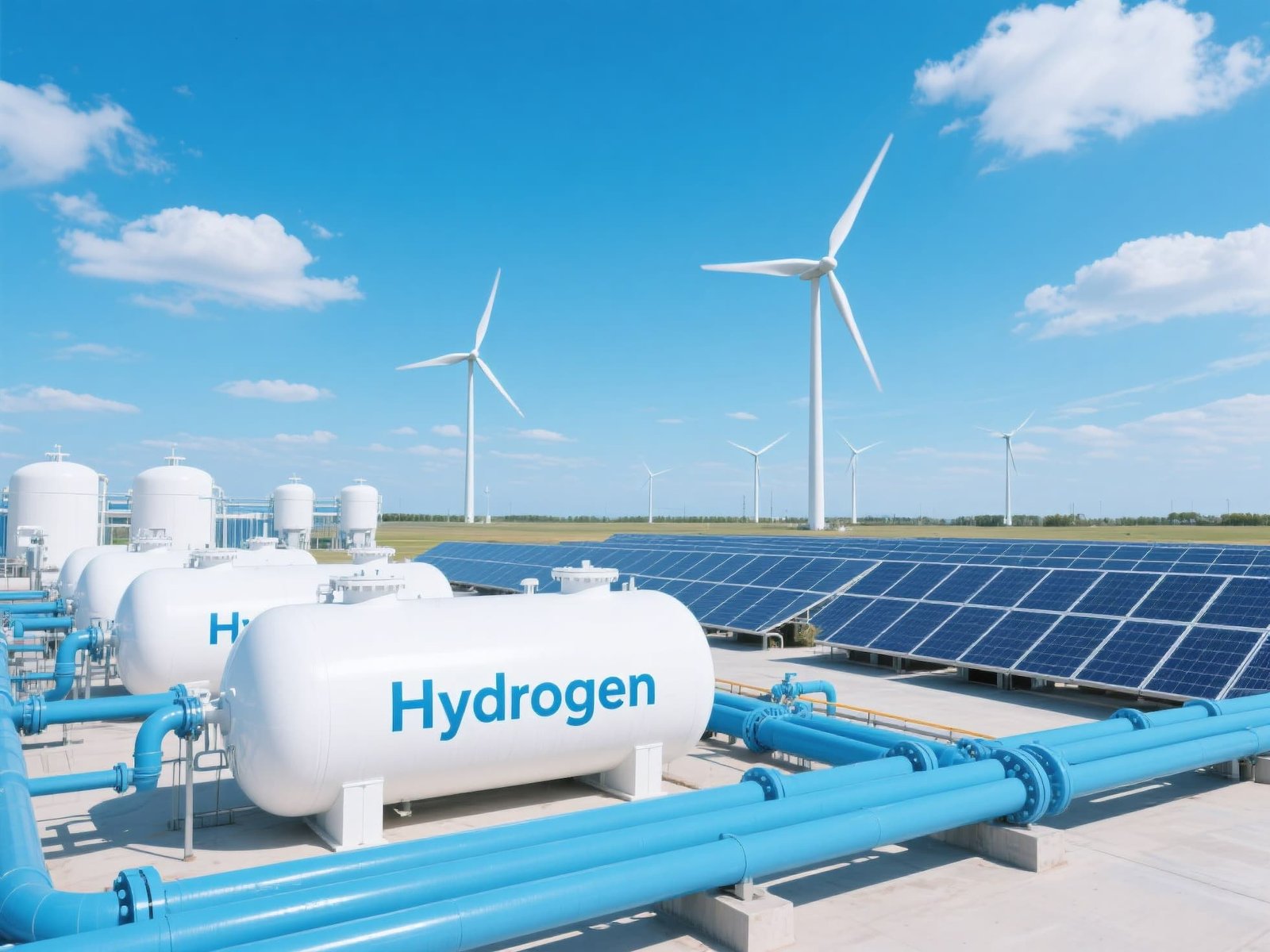
China is currently executing the world’s most ambitious hydrogen (H2) energy strategy, transitioning from being the largest producer of “Grey” hydrogen (from fossil fuels) to the global leader in Green Hydrogen plants. A Chinese-made H2 energy plant today is a massive, integrated industrial complex that combines renewable energy harvesting, high-pressure electrolysis, and smart storage solutions.
1. The “Green” Transformation: Mega-Scale Electrolysis
The defining characteristic of a modern Chinese H2 plant is its scale. In regions like Inner Mongolia and Xinjiang, China has commissioned the world’s largest solar-to-hydrogen projects. The Kuqa Green Hydrogen Project, for instance, utilizes a massive array of photovoltaic panels to power high-capacity Alkaline Electrolyzers (ALK).
While Western markets have focused heavily on PEM (Proton Exchange Membrane) technology, Chinese manufacturers like LONGi Hydrogen and Peric have perfected large-scale ALK stacks. These “Smart Plants” can produce over 20,000 tons of green hydrogen annually, replacing coal-based hydrogen in traditional chemical refining and steelmaking.
2. Digital Twin and Energy Management
Because green hydrogen relies on intermittent wind and solar power, the “Smart” aspect of these plants is critical. Chinese H2 plants use AI-driven Energy Management Systems (EMS) to balance the fluctuating power input from the grid.
-
Predictive Electrolysis: The plant’s “digital brain” analyzes weather forecasts to prepare the electrolyzer stacks for surges in solar power, ensuring the membrane’s longevity and maximizing H2 yield.
-
Digital Twin Monitoring: Operators use a 3D virtual model of the plant to monitor gas purity, pressure levels, and potential leakages in real-time across kilometers of high-pressure piping.
3. Integrated Storage and Hydrogen Refueling (HRS)
A Chinese H2 plant is rarely just a production site; it is often a “Combined Energy Hub.”
-
Liquid Hydrogen (LH2) Storage: To solve the transportation bottleneck, new plants are integrating large-scale liquefaction units. China has made significant breakthroughs in domestic 10-ton-per-day liquefaction equipment, allowing hydrogen to be stored at -253°C for long-distance transport.
-
On-Site Refueling: Many plants in coastal provinces like Guangdong serve as mother stations for Hydrogen Refueling Stations. They feature 70MPa high-pressure gaseous storage tanks and automated dispensers for heavy-duty trucks and buses.
4. The “Hydrogen-Steel” and “Hydrogen-Chemical” Synergy
China is pioneering the use of H2 plants to decarbonize “hard-to-abate” sectors. In Ningxia, the world’s largest solar-hydrogen-ammonia project integrates the H2 plant directly with a chemical facility. By using green hydrogen to synthesize “Green Ammonia,” the plant creates a carbon-neutral fertilizer. Similarly, Baosteel is using H2 plants to trial “Hydrogen Metallurgy,” replacing coking coal with hydrogen as a reducing agent in blast furnaces.
5. Future Outlook: The Hydrogen Corridor
The ultimate goal of Chinese H2 plant development is the creation of “Hydrogen Corridors”—networks of production plants and refueling stations along major highways. By standardizing the equipment—from the stack materials to the smart valves—China has reduced the capital expenditure (CAPEX) of hydrogen plants by nearly 30-40% compared to international benchmarks.
As China scales up its 10GW-scale electrolysis clusters, these H2 plants are becoming the “New Oil Wells” of the carbon-neutral era, proving that hydrogen can be a primary pillar of national energy security.
Would you like me to look into the specific technical differences between the Chinese ALK and PEM electrolyzers, or perhaps the locations of the newest “Hydrogen Corridors” being built for heavy trucking?
Gallery